
Tampa Bay Buyers Finally Have Breathing Room in 2026. Here’s What I’d Negotiate Before I Ever Cut Price
A buyer texted me from the parking lot of a Wawa off Gandy this week.
“Jason, does this mean we can finally ask for stuff again?”
That was the whole text. No hello. No context. Just a buyer who had been watching Tampa Bay homes sit longer, seeing price reductions pop up, and wondering if the market had finally stopped punching buyers in the face.
I laughed because I knew exactly what he meant.
A few years ago, buyers felt like they had to sprint. No repairs. No credits. No breathing room. Write the cleanest offer possible and hope the seller picked you.
July 2026 feels different.
Mortgage rates have moved back near a one-year high, with Investopedia reporting the 30-year fixed average at 6.78% on July 14, 2026, and major forecasts pointing to rates staying mostly in the low to mid 6% range through the second half of the year. Tampa Bay data also shows a market that is normalizing, with more inventory and homes averaging about 61 days on market, while Pinellas County data shows more listings and longer timelines than last year.
That does not mean sellers are desperate.
It means good buyers finally have room to be smart again.
I’m a Florida native, certified Military Relocation Professional, and I serve buyers and sellers across Pinellas and Hillsborough. MacDill AFB, South Tampa, St. Pete, Clearwater, Dunedin, Brandon, Riverview, Treasure Island, Madeira Beach, Largo, Seminole, I’m in these conversations every week.
And the question I’m hearing right now is not just, “Can I get a lower price?”
The better question is, “What should I negotiate first?”
Is Tampa Bay Finally a Buyer’s Market in 2026?
Tampa Bay is more buyer-friendly in 2026, but I would not call every neighborhood a buyer’s market. Buyers have more choices and more room to negotiate, but well-priced homes with clean roofs, realistic insurance, and good locations are still getting attention.
That distinction matters.
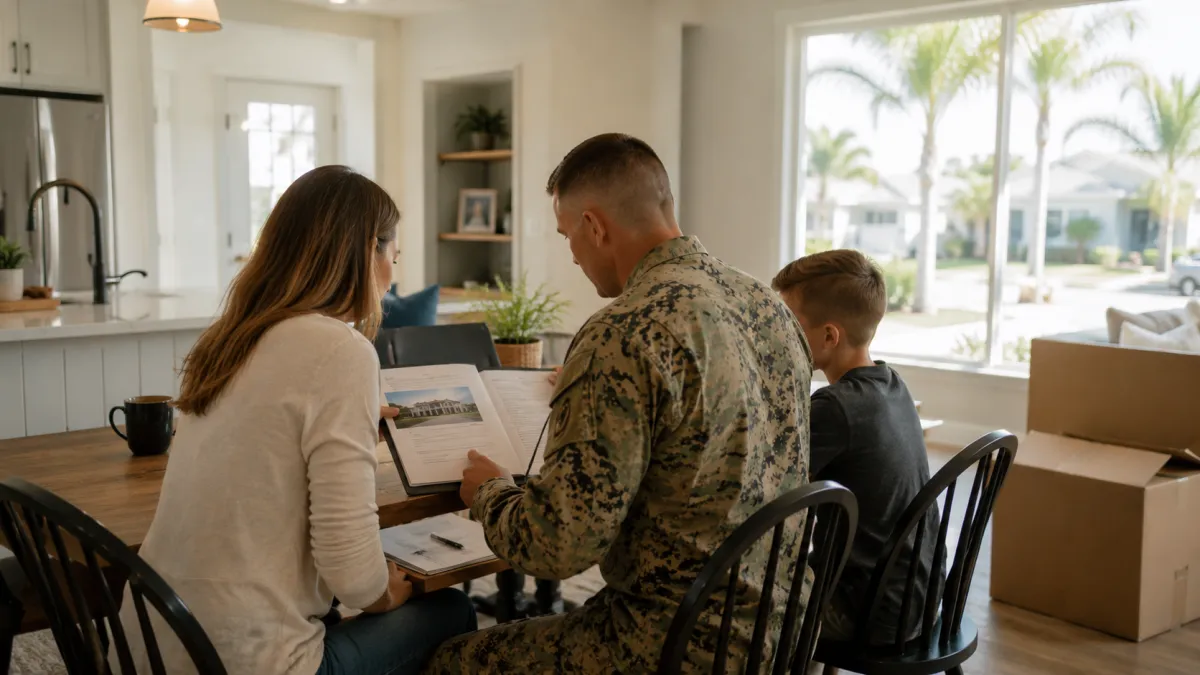
If you’re a VA loan Tampa buyer PCSing to MacDill, you might look at the headlines and think every seller should be ready to roll over. That is not what I’m seeing. A clean South Tampa home near the base gate still has value. A well-kept Dunedin home near downtown can still move. A St. Pete bungalow with updates, parking, and no scary insurance profile is not going to sit forever just because the market cooled.
But the overpriced homes are exposed now.
The houses with old roofs, high HOA fees, bad photos, mystery insurance quotes, or sellers still acting like it’s 2021 are the ones buyers can challenge. That’s where strategy comes in.
Last week I showed a military family three homes in one afternoon. One was priced like it had a new roof, but the roof was 18 years old. One had a beautiful kitchen, but the flood quote was ugly. One was less flashy, but the seller had already moved out and the inspection report looked manageable. Guess which one we wrote on?
The less flashy one.
We asked for a seller credit instead of just swinging at the price. That credit helped the buyer’s cash position more than a small price drop would have helped their monthly payment.
That’s the 2026 market in one sentence. Don’t just negotiate louder. Negotiate smarter.
Should I Ask for a Price Cut or Seller Credits First?
You should ask for seller credits first when your biggest problem is cash to close, rate pressure, insurance, or repairs. A price cut helps, but a credit can often solve the buyer’s real pain faster.
A lot of buyers get locked into the wrong target.
They want to win a $10,000 price reduction because it feels good. I get it. Everybody likes saying they got money off the house. But depending on your loan structure, that price drop may only change your monthly payment a little.
A seller credit can help with closing costs, prepaid expenses, discount points, or other allowable costs depending on the loan program and lender rules. For a VA buyer, this can be huge because the VA loan already has powerful advantages, but cash still matters. You still have inspections, deposits, moving expenses, and the reality of landing in Tampa Bay after a PCS.
When I’m helping a buyer, I ask what problem we’re actually trying to solve.
Is the payment too high? Maybe we talk about a rate buydown.
Is the buyer cash tight after moving from another duty station? Maybe credits matter more.
Does the inspection show repairs? Maybe we ask for licensed repairs before closing or a credit if the lender and contract allow it.
Is the home simply overpriced? Then yes, we talk price.
In my 9 AM training this week, an agent asked me why their buyer’s offer looked strong but still did not help the client much. I looked at the numbers and told them, “You negotiated the headline, not the problem.” The buyer got a small price cut, but they still had a cash crunch at closing.
That’s not a win.
A good negotiation should make the move easier, not just make the buyer feel like they won a point.
Can VA Buyers Negotiate Repairs in This Market?
Yes, VA buyers can negotiate repairs in this market, and in 2026 they may have more room than they had during the tightest years. The key is knowing which repairs matter for safety, financing, insurance, and long-term ownership.
I love VA buyers, but I’m also honest with them.
A VA loan does not mean the house has to be perfect. It does mean the property needs to meet certain safety and condition expectations. If there is peeling paint on an older home, obvious safety issues, broken systems, or property problems that trigger lender concern, we need to deal with it early.
This is where an experienced agent matters.
Some listing agents still get nervous when they see VA financing. They remember old myths. They assume VA means hard inspection, slow closing, or a picky appraiser. That is usually not fair. What matters is preparation.
When I write a VA offer, I want the listing side to understand the buyer is strong, the lender is solid, and the timeline is realistic. If the home has an older roof, I want to know how insurance will view it before we get too deep. If the electrical panel looks questionable, I want eyes on it. If there are wood rot issues, I want to talk through them before the appraisal becomes a problem.
Earlier this year, I helped a veteran buyer write on a home in Largo that had been sitting for a few weeks. The seller had already reduced the price, but the real issue was maintenance. We negotiated repairs tied to safety and function, not cosmetic wish-list items. The deal closed because we were specific, fair, and fast.
That is the tone I like.
You do not need to beat up a seller. You need to protect your family.
What Should Sellers Do Differently Now?
Sellers should price closer to reality, fix obvious objections before listing, and be ready to negotiate credits or repairs when the buyer’s concerns are legitimate. The market is not punishing every seller, but it is punishing sellers who ignore current conditions.
This is where I’m direct with my listing clients.
If your roof is old, buyers will care.
If your insurance situation is hard, buyers will care.
If your condo association has rising fees, reserves, assessments, or incomplete documents, buyers will care.
If your home backs up to a busy road, needs paint, has old photos, and you still want top-of-market pricing, the market may humble you.
That does not mean you need to panic. It means you need to prepare.
I’ve personally listed and sold over 100 homes, and I’ve watched sellers make more money by solving buyer objections before showings start. Sometimes that means a pre-listing inspection. Sometimes it means fresh paint and pressure washing. Sometimes it means getting insurance information ready. Sometimes it means pricing slightly sharper so you create activity instead of sitting stale.
The sellers who are doing well in 2026 are not the ones pretending nothing changed. They are the ones reading the room.
In Pinellas County, especially around St. Pete, Clearwater, Dunedin, Seminole, Madeira Beach, and Treasure Island, buyers are asking deeper questions. They want to know flood risk. They want to know roof age. They want to know if short-term rental rules affect future plans. They want to know if a condo building has financial pressure.
In Hillsborough, buyers near South Tampa, Brandon, Riverview, and Westchase are asking about commute, schools, insurance, and monthly payment.
A seller who answers those questions clearly has an advantage.
How Do Rates Change the Negotiation?
Higher mortgage rates make payment the center of the negotiation. When rates sit in the mid to high 6% range, buyers care less about bragging rights and more about what the home actually costs every month.
That is why a seller credit can be powerful.
A buyer might use a credit to reduce closing costs or explore discount points with their lender. They might need help offsetting prepaid taxes and insurance. They might be trying to keep enough cash after closing to handle furniture, repairs, and the move.
For military families, this gets real fast.
A PCS to MacDill is not just a home purchase. It is a move, a job change for the spouse in many cases, school registration, pets, temporary lodging, storage, and learning Tampa traffic all at once. If you buy in Riverview, you need to know what that commute feels like. If you buy in St. Pete, you need to know your bridge routine. If you buy in South Tampa, you need to know what the payment looks like with taxes and insurance included.
Payment is not just math. It is stress.
I tell buyers not to shop at the top of their approval just because a lender says they can. I want room in the budget for life. Kids get sick. Cars need tires. AC units in Florida do not care about your closing disclosure.
A house should help your family settle, not make every month feel tight.
Are Inspections More Important Than Ever in Tampa Bay?
Yes, inspections are more important than ever in Tampa Bay because insurance, repairs, storm exposure, and aging systems can change the entire deal. A cheap inspection strategy can become expensive later.
I want a good general inspection. I want roof details. I want wind mitigation when appropriate. I want four-point information when needed. I want flood zone awareness. I want the buyer to understand what they own before they own it.
This is not just about finding defects.
It is about understanding risk.
A 1970s block home in Seminole can be a great buy, but we need to understand the roof, electrical, plumbing, windows, and AC. A beach-area property in Madeira Beach might look incredible, but flood and wind exposure matter. A South Tampa home near Bayshore or Ballast Point may have location value, but older construction deserves a careful review.
I own and manage rentals through Jason’s Vacation Rentals, so I think about properties after closing. I think about who gets the call when the AC quits. I think about how much a repair costs when labor is busy. I think about what happens when storm season reminds everyone we live in Florida.
That rental owner mindset makes me a better buyer’s agent.
I do not want my clients surprised by obvious things.
What Are Buyers Asking Me This Week?
Buyers are asking if they should wait for rates to drop, if sellers are finally negotiating, and if a VA offer can still compete. My answer is yes, negotiate, but do not wait on a fantasy market.
Here are the quick questions I’m getting right now.
Should I wait until rates fall?
Maybe, but do not build your whole plan around a rate drop you cannot control. If the right home fits your payment today, and you can negotiate terms that protect you, waiting is not automatically smarter.
Can I ask the seller to help with closing costs?
Yes, depending on the loan type, contract structure, seller motivation, and lender rules. In this market, closing cost help is a real conversation again on many listings.
Is a VA buyer in Tampa Bay at a disadvantage?
No, not when the offer is written well and the property fits VA expectations. A strong VA buyer with a good lender, clear timeline, and smart agent can absolutely compete.
What Would I Do If I Were Buying This Week?
If I were buying in Tampa Bay this week, I would shop below my maximum approval, check insurance early, negotiate credits before chasing ego price cuts, and focus on homes with clean long-term ownership. I would not wait for the perfect market.
Perfect markets do not call you before they arrive.
The buyers who win in 2026 will be prepared. Not frantic. Prepared.
They will know their lender. They will understand their payment. They will ask about insurance before falling in love with the kitchen. They will know the difference between a seller who is motivated and a seller who is just testing the market. They will use inspection periods wisely. They will not let a nice backsplash distract them from a bad roof.
The sellers who win will be just as practical. They will price with the current market, not old memories. They will make the home easy to trust. They will answer buyer questions early. They will understand that a good offer with a credit request may be better than waiting another month for a buyer who never comes.
That is the market we are in.
More balanced. More thoughtful. Still local. Still personal.
If you are PCSing to MacDill, buying with a VA loan in Tampa, selling in Pinellas County, or trying to figure out if your next move should be St. Pete, Clearwater, Dunedin, Riverview, Brandon, or South Tampa, message me. I’ll look at the numbers with you, tell you what I’d negotiate first, and help you make the move without guessing.